
Table of Contents
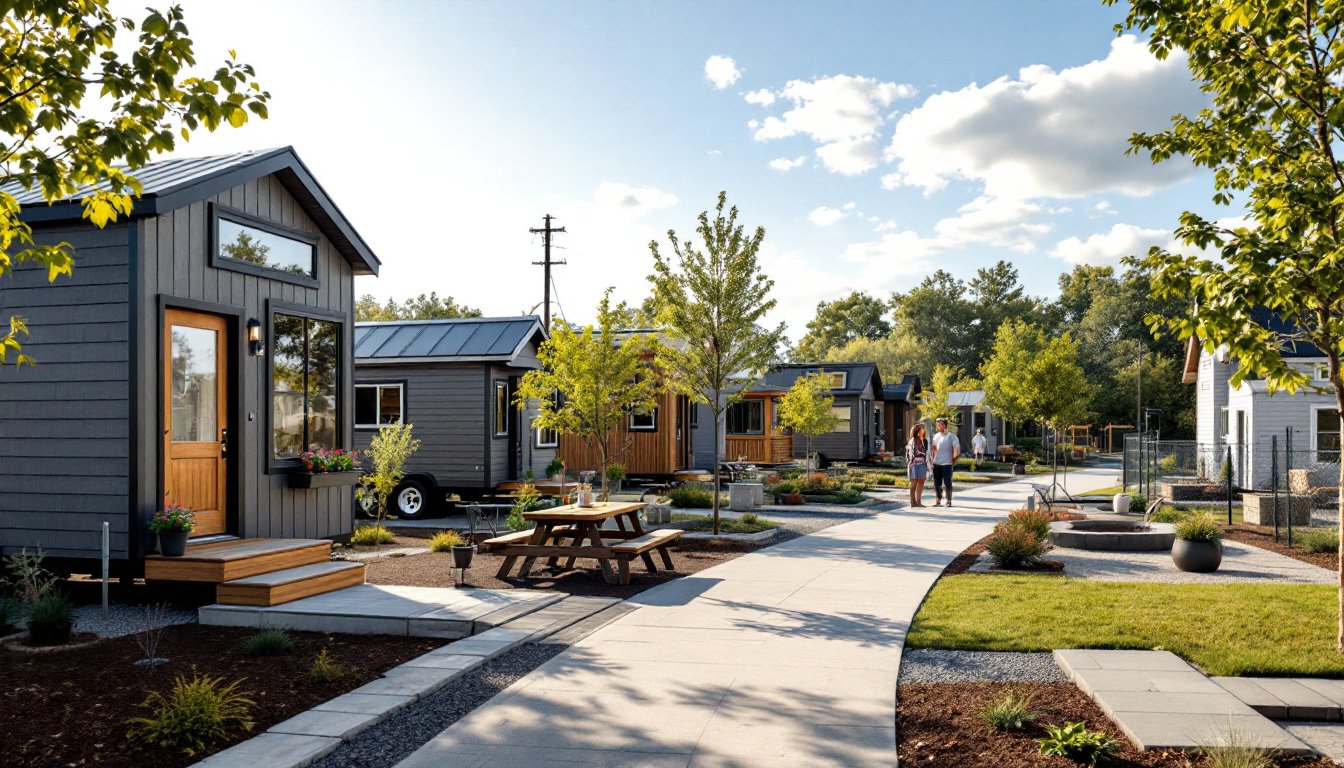
ToggleTiny home neighborhoods have exploded from fringe lifestyle experiment to legitimate housing option across the United States. These planned communities, ranging from rural co-ops to suburban micro-developments, offer affordable, simplified living with shared amenities and built-in social networks. Unlike isolated tiny homes parked on raw land, these neighborhoods provide legal zoning, utilities, and community infrastructure that make downsizing practical instead of risky. Whether someone’s motivated by mortgage freedom, environmental impact, or simply escaping suburban sprawl, understanding how these communities work is the first step toward joining one.
Key Takeaways
- Tiny home neighborhoods offer affordable housing with monthly costs often below $800, including land lease, utilities, and insurance, compared to conventional mortgage and property taxes.
- Successful tiny home community developments navigate zoning barriers through special classifications like planned unit development (PUD) overlays, IRC Appendix Q standards, and dedicated tiny house ordinances.
- Shared amenities in tiny home neighborhoods—community kitchens, laundry facilities, storage sheds, and gardens—offset limited private space while reducing individual ownership and maintenance costs.
- Verify legal zoning compliance and permits independently with local planning departments before investing in a tiny home neighborhood, as some communities operate in legal gray areas risking shutdown.
- Visit prospective tiny home communities at different times and interview current residents about management quality, neighbor dynamics, and hidden costs, since social compatibility is critical in close-quarters living.
- Financing challenges persist for tiny homes under 600 square feet, as most banks won’t offer traditional mortgages, requiring residents to pursue personal loans, RV financing, or cash purchases instead.
What Is a Tiny Home Neighborhood?
A tiny home neighborhood is a dedicated development where multiple tiny houses, typically 100 to 400 square feet, share land under cohesive zoning, utilities, and governance structures. These aren’t RV parks or mobile home communities under a different name. Most operate under specific ordinances that classify tiny homes as accessory dwelling units (ADUs), park model RVs, or dedicated tiny house zoning classifications.
Residents own or rent their tiny home structure while leasing the land pad or owning a fractional share in the community property. The development provides infrastructure like water hookups, electrical pedestals (30-amp or 50-amp service), sewer connections or composting toilet facilities, and shared roads. Some neighborhoods allow homes on permanent foundations: others require wheels, depending on local building codes.
Community governance ranges from homeowners’ associations (HOAs) with strict architectural guidelines to informal co-ops with consensus-based decisions. Size minimums and maximums, exterior materials, setback distances, and parking requirements vary widely. Most communities mandate compliance with ANSI A119.5 standards for park model RVs or IRC Appendix Q for tiny houses on foundations, ensuring structural safety and basic habitability.
Why People Are Choosing Tiny Home Communities
The shift toward tiny home neighborhoods stems from multiple converging factors: housing affordability crises, student loan debt, retirement on fixed incomes, and a desire to reduce consumption. Moving into a tiny home community addresses practical challenges that solo tiny living can’t solve, legal parking, reliable utilities, and neighbors who chose the same lifestyle instead of judging it.
Financial Benefits and Affordability
The median tiny home costs between $30,000 and $60,000 to build or purchase, compared to the 2026 median single-family home price exceeding $400,000 in most metros. Land lease fees in tiny home neighborhoods typically run $250 to $650 monthly, covering water, trash, community maintenance, and sometimes internet. Total monthly housing costs, including utilities and insurance, often land below $800, a fraction of typical mortgage, tax, and maintenance expenses.
Many residents achieve mortgage-free living within two to five years, redirecting income toward savings, travel, or career changes with lower income requirements. Property taxes on the structure itself remain minimal since most residents don’t own the land. Maintenance costs shrink proportionally: a 200-square-foot home needs less paint, fewer shingles, and smaller HVAC systems than conventional houses.
Downsizing forces intentional consumption. Without room for bulk purchases or impulse buys, residents spend less on household goods. Shared amenities, community workshops, laundry facilities, gardens, eliminate the need for individual lawn mowers, washers, or tool collections that sit idle 90% of the time.
Types of Tiny Home Neighborhoods Across America
Tiny home communities fall into several models, each with distinct ownership structures, density, and target demographics.
Tiny house villages cluster 10 to 50 homes on shared land, often with central community buildings. These range from nonprofit developments serving formerly homeless populations to market-rate communities with pools and co-working spaces. Orlando Lakefront in Florida and Caravan Tiny House Hotel in Portland pioneered this model with mixed residential and short-term rental units.
Pocket neighborhoods integrate tiny homes into existing residential areas as infill development. Individual homeowners place ADUs or tiny houses on their property, connected by shared courtyards or pedestrian paths. These comply with local ADU ordinances rather than requiring special zoning.
Rural homesteading communities offer larger lots (0.25 to 1 acre) with tiny homes alongside gardens, chicken coops, and outbuildings. Members share equipment, bulk food purchases, and agricultural knowledge. These appeal to off-grid enthusiasts and permaculture practitioners willing to manage septic systems and well water.
RV-style tiny home parks classify homes as park model RVs, skirting residential building codes by staying under 400 square feet and keeping wheels attached. These parks offer transient and long-term pads, providing flexibility for seasonal residents or those testing tiny living before committing.
Co-housing tiny developments emphasize shared meals, decision-making, and resources. Residents might share a commercial kitchen, workshop, or childcare space while maintaining private sleeping quarters. This model attracts aging-in-place seniors and intentional communities focused on sustainability.
Finding and Evaluating Tiny Home Communities
Locating tiny home neighborhoods requires more research than conventional house hunting. Online directories like Tiny House Community and Try It Tiny list developments nationwide, but many smaller communities rely on word-of-mouth or local Facebook groups.
When evaluating a community, verify zoning compliance and legal status first. Ask for copies of the development’s zoning variance, special use permit, or ordinance authorizing tiny homes. Some communities operate in legal gray areas, risking municipal shutdown or inability to secure financing. Contact the local planning department independently to confirm permits are current.
Inspect utility infrastructure closely. Check whether electrical service is metered individually or shared (affecting cost control). Confirm water pressure and quality, some rural communities use untreated well water. Ask about sewer connections versus composting toilets or septic systems: greywater disposal requirements vary by county.
Review community rules and CC&Rs (covenants, conditions, and restrictions) like any HOA purchase. Maximum occupancy limits, pet policies, parking rules for guest vehicles, and exterior modification approval processes all impact daily life. Some communities prohibit short-term rentals, limiting income options if circumstances change.
Visit during different times, weekdays, weekends, evenings, to assess noise levels, traffic patterns, and how residents actually use shared spaces. Talk to current residents about management responsiveness, neighbor conflicts, and hidden costs. Tiny living amplifies personality conflicts: a community’s social dynamics matter as much as its infrastructure.
Consider proximity to employment, healthcare, and services. Many urban tiny home communities offer walkability and transit access, while rural developments require reliable vehicles and tolerance for 30-minute drives to groceries.
Legal Considerations and Zoning Requirements
Zoning remains the biggest barrier to tiny home neighborhoods. Most municipalities prohibit dwellings under 600 to 1,000 square feet in residential zones, classifying tiny homes as RVs or temporary structures unsuitable for permanent occupancy.
Successful communities navigate this through special zoning classifications. Some cities adopted dedicated tiny house appendices to zoning codes, setting minimum square footages as low as 120 square feet with foundation, egress, and utility requirements. Others use planned unit development (PUD) overlays that allow mixed housing types within a master-planned community.
Tiny homes on wheels face different regulations. If classified as RVs, they can’t legally occupy residential land in most jurisdictions for more than 30 to 180 days. Park model RV certification (ANSI A119.5) provides a middle path, accepted in RV parks but still prohibited in standard residential zones. Some owners pursue dual certification, ANSI for mobility, IRC Appendix Q for foundation placement, to maximize location options.
Building codes apply when tiny homes use permanent foundations. IRC Appendix Q, adopted by many states, sets standards for habitable space, ceiling heights (6’8″ minimum over most areas), emergency egress, and loft ladder requirements. Homes must meet the same electrical (NEC), plumbing (IPC), and mechanical (IMC) codes as conventional houses, just scaled down.
Permits for individual tiny homes within a neighborhood typically fall to the homeowner, not the community developer. Expect electrical, plumbing, and final occupancy inspections. Off-grid systems using composting toilets or rainwater collection may require additional health department approvals.
Financing creates legal complications. Most banks won’t write mortgages on homes under 600 square feet or structures without permanent foundations. Residents typically use personal loans, RV financing, or pay cash. This limits buyer pools when reselling and affects community property values.
What to Expect: Amenities and Community Features
Tiny home neighborhoods offset small private spaces with generous shared amenities. Most provide community buildings with full kitchens for meal prep or gatherings, since tiny home kitchens often max out at two-burner cooktops and apartment-size refrigerators. These spaces typically include dining areas, lounges, and guest rooms for visitors who won’t fit in 200-square-foot homes.
Laundry facilities are nearly universal, either coin-operated or included in monthly fees. Dedicating 15 square feet to a washer and dryer inside a tiny home rarely makes sense. Some communities add folding tables and outdoor clotheslines to reduce energy costs.
Outdoor amenities vary by climate and community size. Fire pits, picnic pavilions, and barbecue areas encourage social interaction. Gardening plots let residents grow food without individual yard maintenance. Dog parks, playgrounds, and walking trails appear in larger developments.
Storage buildings solve the biggest tiny living challenge: where to keep seasonal gear, tools, and bulk purchases. Communities often provide individual 8’x10′ or 10’x12′ storage sheds, sometimes with workbench space for hobbies or repairs that don’t fit inside the home.
Utility hookups typically include 30-amp or 50-amp electrical service, municipal water or shared well access, and sewer connections or approved septic systems. Some communities offer fiber internet and cable as part of base fees: others leave that to individual residents. Propane tanks for heating and cooking are usually resident-owned and filled offsite.
Parking varies widely. Dense urban communities may limit residents to one vehicle per home, while rural developments offer two to three spaces plus guest parking. RV-style communities sometimes include covered carports or require homes to park under their own roof overhangs.
Security features range from gated access and community cameras to open neighborhoods relying on social cohesion. Smaller communities (under 20 homes) rarely need formal security: larger developments may employ part-time managers or neighborhood watch programs.
Pet policies deserve close review. Size and breed restrictions are common, with most communities capping dogs at 25 to 50 pounds. Outdoor animal housing, chickens, rabbits, depends on agricultural zoning and neighbor tolerance. Some rural communities embrace small livestock: suburban developments typically prohibit them.
Understanding what’s included in monthly fees versus what residents pay separately prevents budget surprises. Trash collection, snow removal, lawn care of common areas, and community building maintenance are usually covered. Individual home repairs, utilities beyond basic hookups, and internet often aren’t.