
Table of Contents
ToggleLouisville homeowners are sitting on solid bones, literally. The city’s housing stock blends Victorian charm, mid-century ranches, and newer builds, all begging for thoughtful updates. Whether it’s a Highlands bungalow with dated plumbing or a Prospect split-level screaming for an open floor plan, remodeling here isn’t just about aesthetics. It’s about making older homes work for modern life while respecting the quirks that give them character. This guide covers what’s actually happening in Louisville remodels right now, from permit realities to budget breakdowns and the line between DIY sweat equity and calling a pro.
Key Takeaways
- Home remodeling in Louisville is a smart investment as mortgage rates stay high and inventory remains tight, making renovation more attractive than relocation.
- Kitchen and bathroom renovations are the top remodeling projects, with kitchens typically recouping 60–80% of investment at resale.
- Always pull permits for structural, plumbing, electrical, and HVAC work in Louisville Metro to avoid penalties and complications during home sales.
- Budget 15–20% contingency funds for surprises common in older homes like rot, outdated wiring, and foundation settling.
- Hire licensed professionals for structural, electrical, plumbing, and permitted work, but handle cosmetic projects like painting and trim yourself to save 30–40% on labor costs.
- Louisville’s humid climate requires waterproofing for basements, mold-resistant materials in bathrooms, and rot-resistant lumber for exterior projects to prevent costly damage.
Why Louisville Homeowners Are Investing in Remodeling Projects
Louisville’s real estate market has pushed many homeowners toward renovation instead of relocation. Mortgage rates hover above 6%, and inventory stays tight in desirable neighborhoods like Crescent Hill and St. Matthews. Rather than overpay for a move-in ready place, owners are retrofitting what they’ve got.
Energy efficiency drives a chunk of upgrades. Louisville summers hit the 90s with humid streaks, and winters dip below freezing. Attic insulation, air sealing, and HVAC replacements pay back in comfort and utility bills. Louisville Gas & Electric offers rebates on qualified equipment, which sweetens the deal.
Historic homes present another angle. The Preservation Districts, Old Louisville, Cherokee Triangle, require approval for exterior changes, but interior work offers freedom. Owners modernize kitchens and baths while preserving original hardwood, plaster, and trim. It’s a balancing act: stainless appliances meet pocket doors and transom windows.
Finally, remote work shifted priorities. Home offices, finished basements, and bonus rooms jumped the list. A spare bedroom doesn’t cut it when you’re on Zoom eight hours a day. Homeowners want dedicated space with sound control and proper lighting.
Most Popular Home Remodeling Projects in Louisville
Kitchen Renovations That Add Value
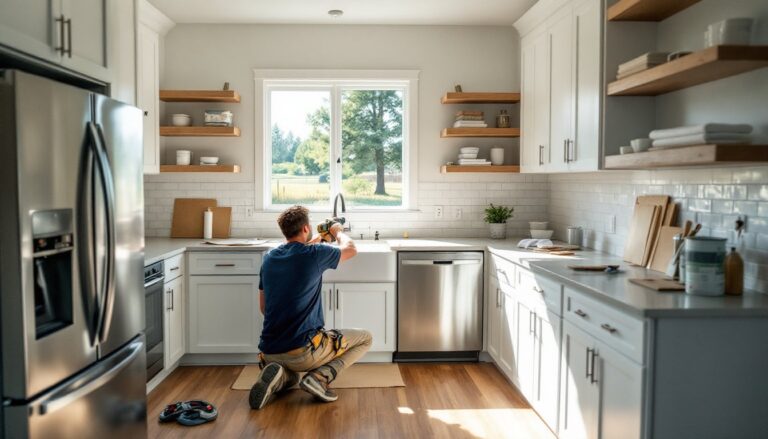
Kitchens still top the remodeling wish list. Louisville buyers expect updated kitchens, and sellers recoup 60–80% of their investment at resale, depending on scope and finish level.
Cabinet work splits into three camps: refacing (new doors, same boxes), painting (budget-friendly if boxes are solid), and full replacement. Stock cabinets from big-box stores run $100–$300 per linear foot installed. Semi-custom pushes $300–$650. If you’re keeping the footprint, refacing saves demo and plumbing hassles.
Countertops lean toward quartz and granite. Quartz (engineered stone) resists stains without sealing and runs $60–$100 per square foot installed. Granite costs similar but needs annual sealing. Butcher block and laminate work for tighter budgets, laminate improved since the ’90s and starts around $20 per square foot.
Appliance packages in stainless steel remain standard. A mid-range fridge, range, dishwasher, and microwave bundle costs $3,000–$5,000. Induction cooktops gain traction for speed and safety, though they require compatible cookware (magnetic bottom).
Electrical upgrades often surprise budgets. Older homes lack the 20-amp circuits modern kitchens demand. Adding circuits and upgrading the panel can hit $1,500–$3,000. Budget for it upfront.
Bathroom Upgrades for Modern Living
Bathroom remodels deliver comfort and function. Louisville’s older homes often feature one full bath for a three-bedroom house, a bottleneck for families.
Tub-to-shower conversions dominate. Fiberglass tub-shower combos get ripped out for tiled walk-ins with frameless glass doors and handheld sprayers. Tile (porcelain or ceramic) runs $8–$20 per square foot: installation doubles that. Waterproofing (Schluter, RedGard) is non-negotiable. Skipping it invites mold and rot.
Vanity and storage upgrades make small baths livable. Wall-hung vanities create floor space visually. Double-sink vanities need 60 inches minimum width, measure before you fall in love with a showroom piece. Soft-close drawers and outlets inside drawers (for electric toothbrushes, shavers) add polish.
Ventilation gets ignored until mold appears. Install an exhaust fan rated for the room’s cubic footage (CFM = room volume ÷ 7.5). Duct it outside, not into the attic. Fans with humidity sensors run automatically, worth the extra $40.
Permit requirements vary. Cosmetic updates (vanity swap, new tile) usually don’t need permits. Moving plumbing or electrical does. Louisville Metro requires permits for anything altering structure, plumbing, or electrical systems.
Navigating Louisville’s Permits and Regulations
Louisville Metro Permits and Inspections handles residential work. Permits are required for structural changes (removing walls, adding rooms), plumbing and electrical alterations, HVAC installation, and roofing. Cosmetic work, paint, flooring, cabinet swaps, typically doesn’t need a permit.
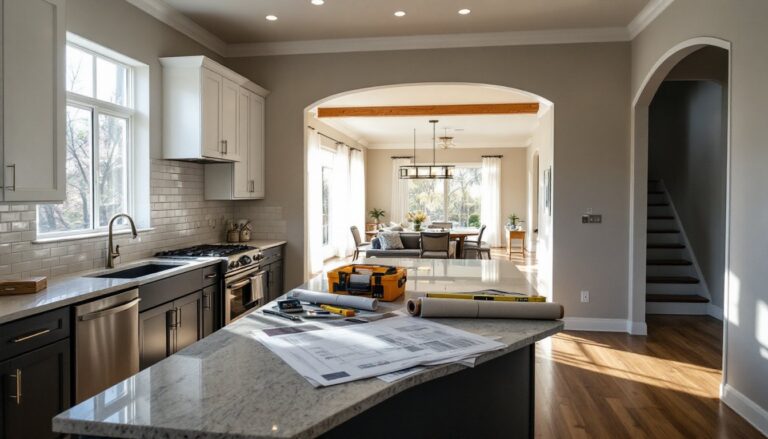
Load-bearing walls complicate open-concept dreams. If you’re removing a wall, hire a structural engineer ($500–$1,000) to spec a beam. The inspector will want stamped drawings. Attempting this without approval risks a stop-work order and fines.
Electrical work follows the National Electrical Code (NEC). Homeowners can pull permits for their own properties, but inspections are mandatory. Common issues: under-sized wire for the load, improper grounding, junction boxes buried in walls (code violation). If you’re not confident, hire a licensed electrician. Bad wiring causes fires.
Plumbing permits cover new fixtures, re-routing lines, or water heater replacement. Louisville uses the International Residential Code (IRC). Venting, trap distances, and pipe sizing all have specs. Inspectors check rough-in before you close walls.
Historic districts add layers. The Landmarks Commission reviews exterior changes in designated areas. Interior work proceeds freely, but replacing windows, re-siding, or altering rooflines needs approval. Submit plans early, reviews take 30–45 days.
Penalties for unpermitted work surface during home sales. Title companies and buyers’ agents ask for permits on major upgrades. If you can’t produce them, expect to cover inspections, retroactive permits, or price reductions. Just pull the permit.
Budgeting for Your Louisville Remodeling Project
Louisville remodeling costs sit below coastal markets but above rural areas. Figure $100–$200 per square foot for whole-home renovations, depending on finishes. Kitchens run $15,000–$50,000: bathrooms $8,000–$25,000. Those ranges swing based on materials and labor.
Material costs fluctuate. Lumber spiked in 2021–2022, settled, then ticked up again in 2025. Drywall, plywood, and framing lumber prices shift with supply chains. Lock quotes for 30 days when possible. Home improvement cost estimators help ballpark projects, but get local bids for accuracy.
Labor rates in Louisville run $50–$100 per hour for skilled trades (electricians, plumbers, HVAC). General contractors mark up subs 15–20% and charge 10–20% overhead and profit on top of materials. It’s not padding, it covers insurance, permits, scheduling, and problem-solving.
Contingency funds aren’t optional. Budget 15–20% extra for surprises. Old homes hide rot, outdated wiring, and foundation settling. You won’t know until walls open.
Financing options include home equity loans (fixed rate, lump sum), HELOCs (variable rate, draw as needed), and cash-out refinances. Credit unions like Republic Bank and Stock Yards Bank offer competitive rates. Personal loans cost more but skip the home-as-collateral risk. Avoid financing purely cosmetic work at high interest, save cash instead.
DIY vs. contractor shifts budgets dramatically. Doing your own demo, painting, and trim work can cut 30–40% off labor. But hire out electrical, plumbing, structural, and HVAC. Mistakes there cost more to fix than the original savings.
Choosing the Right Contractor vs. DIY Approaches
When to hire a contractor:
- Structural work (beam installation, foundation repair, framing)
- Electrical and plumbing (code compliance, safety, resale)
- Projects requiring permits and inspections
- Timelines under six months (contractors work faster than weekend warriors)
- Specialty trades (tile setting, HVAC, spray foam insulation)
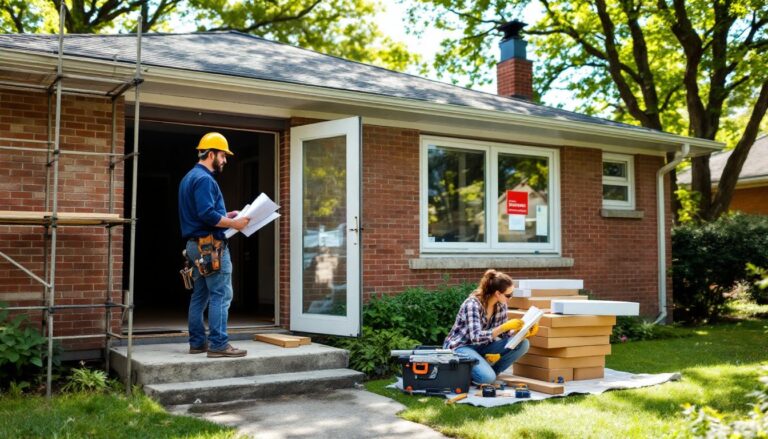
Vetting contractors takes legwork. Check Louisville Metro’s permit records to verify they pull permits. Ask for three recent references and actually call them. Verify liability insurance and workers’ comp coverage, request certificates. Licenses aren’t required for general contractors in Kentucky, which means anyone can hang a shingle. Look for trade-specific licenses (electrician, plumber, HVAC) where applicable.
Contracts should itemize materials (brand, model, color), labor costs, payment schedule, start and completion dates, and change-order process. Never pay more than 10% upfront. Standard schedules: 10% to start, 25–30% at milestones, final 10% after punch list. Avoid contractors demanding 50% down, red flag.
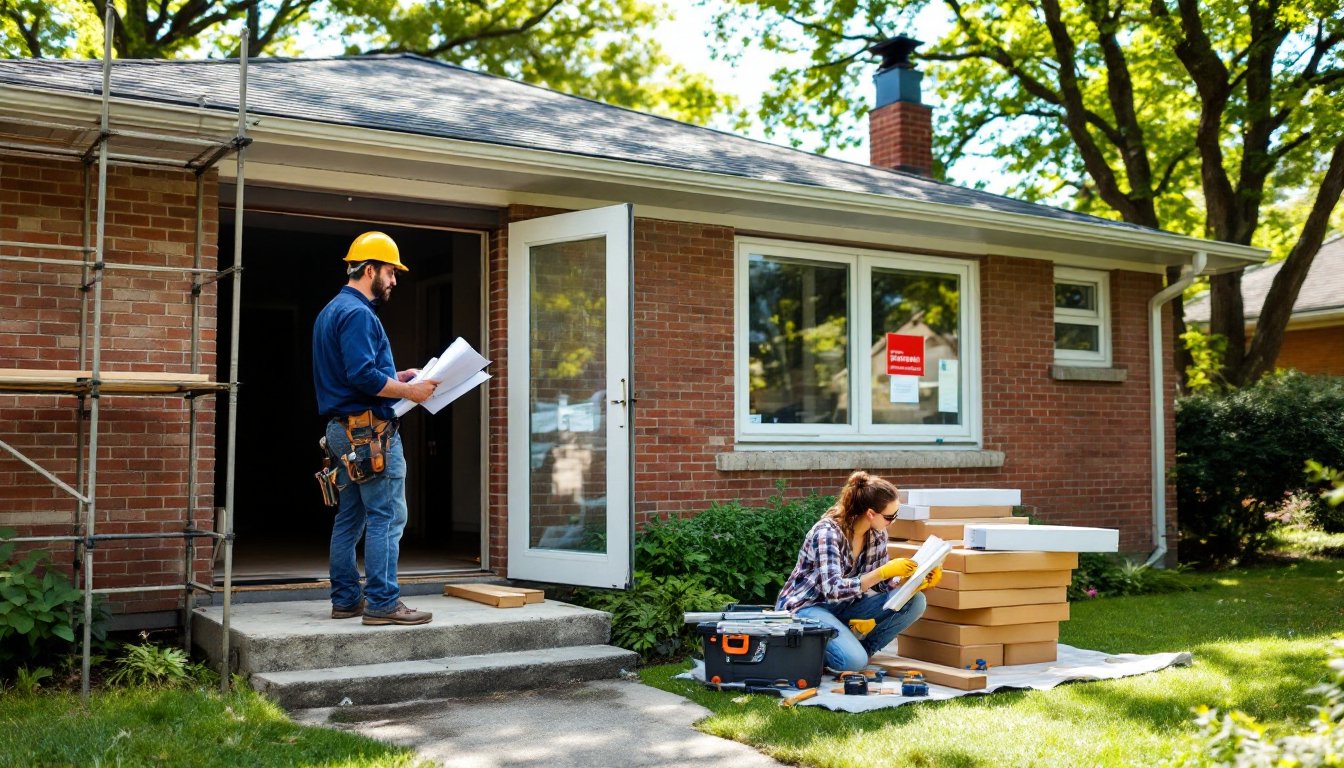
DIY-friendly projects include painting, trim carpentry, flooring installation (luxury vinyl plank, laminate), vanity replacement (if plumbing isn’t moved), and simple tile backsplashes. You’ll need basic tools: drill, circular saw, level, tape measure, painter’s tape. Rent specialty tools (tile saw, flooring nailer) instead of buying.
Safety gear isn’t negotiable. Wear safety glasses for any cutting or demo. Dust masks (N95 rated) for sanding, demolition, or insulation work. Hearing protection for power tools over 85 decibels (most saws, drills, and sanders qualify). Work gloves prevent cuts and blisters. Knee pads save cartilage on flooring and tile jobs.
Hybrid approach works well: hire a contractor for structural, mechanical, and permitted work, then handle finishes yourself. For example, renovation cost guides show that painting and trim installation account for 15–20% of labor costs, knock that out yourself and pocket the difference.
Tool rental vs. purchase: For one-off jobs, rent. A quality miter saw costs $300–$600: renting runs $40 per day. But if you’re tackling multiple rooms or plan future projects, buy mid-tier tools. DeWalt, Makita, and Milwaukee offer solid performance without pro-grade pricing. Avoid the cheapest no-name brands, they burn out or deliver sloppy cuts.
Mistakes to avoid: Skipping the markup research, know what materials actually cost before a contractor quotes. Ignoring lead paint in pre-1978 homes (test kits cost $10: remediation costs thousands). Underestimating time, a weekend kitchen rarely happens. And don’t skip surface prep. Classic home restoration techniques emphasize that prep determines finish quality, whether it’s sanding before paint or leveling subfloor before tile. Rushed prep shows.
Louisville’s climate also demands attention. Basements here stay damp. Waterproofing (interior drain tile, sump pumps, exterior sealing) prevents finished basement disasters. Use mold-resistant drywall and avoid carpet on concrete slabs. And exterior projects, decks, siding, should use pressure-treated or rot-resistant lumber (cedar, composite). The humidity here will find untreated wood.