
Table of Contents
ToggleHome theater seating can make or break the viewing experience. The difference between standard furniture and dedicated theater chairs becomes obvious during the first movie night, proper recline angles, cup holders within reach, and upholstery that doesn’t creak during quiet scenes all matter. Weilianda has carved out a niche in the budget-to-mid-range home theater market, offering configurations that mimic commercial cinema comfort without the commercial price tag. This guide walks through what sets these seats apart, how to select the right setup for a space, and how to install and maintain them for years of use.
Key Takeaways
- Weilianda home theater seating offers budget-friendly comfort with integrated storage consoles, dual cup holders, and charging ports that rival premium brands without the commercial price tag.
- Choose between manual recliners (simple, reliable, fewer failure points) and power recliners (dual motors for independent backrest and footrest adjustment) based on your viewing habits and available electrical outlets.
- Select upholstery carefully: bonded leather wears within 3–5 years, top-grain leather develops character and lasts 10+ years with conditioning, and performance fabric handles spills best for snack-heavy environments.
- Measure your room accurately—subtract 36 inches from the rear wall for full recline clearance and position seating 9.5–15.5 feet from a 75-inch TV—to maximize comfort and sightlines.
- Assembly typically requires two people for backrest connections, proper platform construction with 2×8 lumber secured to wall studs, and level flooring with furniture shims to ensure smooth reclining operation.
- Maintain your Weilianda seats through weekly vacuuming, immediate spill management, annual lubrication of mechanical parts, bolt tightening every 6–12 months, and quarterly console cleaning to achieve 5–10 years of reliable performance.
What Makes Weilianda Home Theater Seating Stand Out?
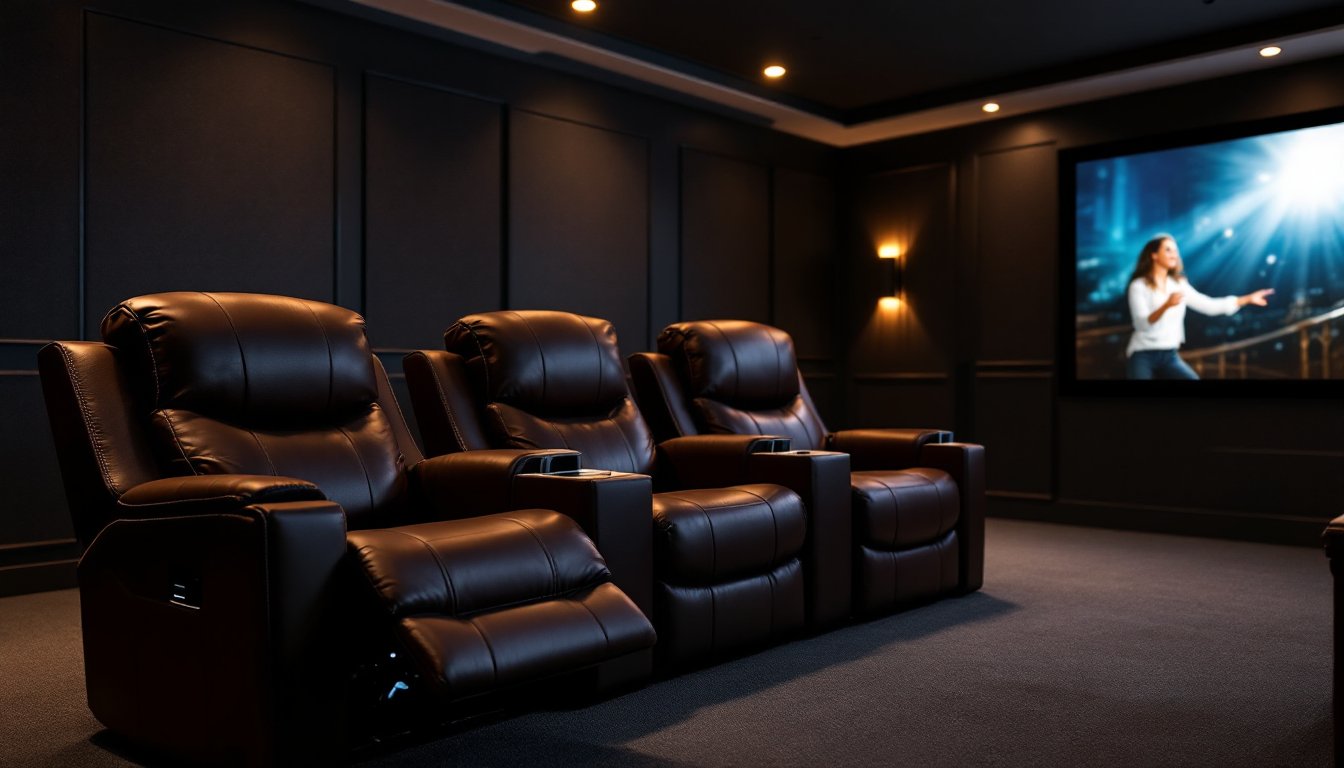
Weilianda positions itself between big-box furniture recliners and premium home theater brands. The seats typically feature steel frame construction rather than hardwood, which keeps costs down but still provides adequate support for residential use. Most models ship with modular sections, individual chairs, loveseats, and curved corner units that bolt together using included hardware.
One defining characteristic: integrated storage consoles between seats. These aren’t afterthought cupholders screwed to armrests. The consoles include dual cup holders with drainage channels (critical for condensation), AC/USB charging ports, and flip-up lids with shallow storage for remotes or snacks. Independent reviews of Weilianda recliners note these consoles as a standout feature at this price point.
The company offers both manual and power recline options across most configurations. Manual mechanisms use a pull-tab lever, simple, reliable, and one less electrical component to fail. Power recliners run on dual motor systems that control backrest and footrest independently, allowing infinite positions rather than just open/closed. Power models require access to 120V outlets, typically one per reclining seat, which affects placement during room planning.
Weilianda’s aesthetic leans traditional: rolled arms, contrast stitching, and tufted backs. They don’t offer the sleek, low-profile designs some contemporary spaces demand. That’s a pro or con depending on the room’s existing style. For a dedicated basement theater with soundproofing panels and tiered platforms, the classic look fits. In a multipurpose living room, it might read as bulky.
Key Features to Look for in Weilianda Theater Chairs
Not all Weilianda models offer identical features. Configuration varies by series, so understanding the components helps match seats to actual use patterns.
Reclining Mechanisms and Adjustability Options
Manual recliners operate via a steel cable linkage connected to the pull tab. The mechanism is straightforward, fewer failure points than motorized systems. But, they typically lock into two or three preset positions rather than continuous adjustment. For someone who always reclines fully during movies, that’s adequate. For varied use (reading, gaming, napping), it’s limiting.
Power recliners use linear actuators, electric motors that extend and retract metal rods to move the seat components. Weilianda’s dual-motor setup allows the backrest to recline independently of the footrest. This matters for tall users who need more legroom extension or anyone with lower back issues who benefits from slight recline without elevating feet.
Check the recline angle specs. Most Weilianda models advertise 140–160 degrees of total recline. Anything below 140 degrees won’t feel substantially different from a standard recliner. For true lounging, look for models that hit at least 150 degrees. Also verify footrest extension length, typically 18–22 inches. Measure from the front edge of the seat to ensure it accommodates the tallest household member’s leg length.
Some power models include memory presets via attached control panels. These store preferred positions (one-touch return to a saved recline angle), which sounds gimmicky but proves useful in multi-user households.
Material Quality and Upholstery Choices
Weilianda offers three primary upholstery categories:
Bonded leather: The entry-level option. It’s polyurethane with leather scraps mixed in, essentially vinyl with leather fibers bonded to the backing. It wipes clean easily and looks decent initially, but expect peeling within 3–5 years, especially on high-contact areas like armrests and headrests. Acceptable for a rarely-used guest theater but not ideal for daily family use.
Top-grain leather: Mid-tier option, using the outer layer of the hide with the surface sanded and refinished. It’s durable, develops a subtle patina over time, and resists punctures better than bonded leather. Requires occasional conditioning (every 6–12 months) to prevent drying and cracking. Worth the upcharge if the budget allows.
Performance fabric: Synthetic weaves treated for stain and moisture resistance. Weilianda’s versions typically use polyester blends with soil-repellent coatings. These handle spills better than leather (critical in a snack-heavy theater environment) and don’t get cold in winter or sticky in summer. The trade-off: they can pill with heavy use and don’t have leather’s premium look.
Padding density also varies. Look for high-density foam in seat cushions, typically 1.8–2.0 lbs/cubic foot. Lower-density foam compresses faster, leading to sagging within a year or two. Backrest foam can be slightly softer (1.5 lbs/cubic foot) for comfort without sacrificing support.
How to Choose the Right Weilianda Seating Configuration for Your Space
Theater seating isn’t just furniture, it’s a layout puzzle with electrical and clearance requirements.
Start with room dimensions. Measure wall-to-wall width and depth, then subtract 36 inches from the rear wall for full recline clearance. Most Weilianda seats need 24–30 inches behind them when fully extended, but adding a buffer prevents drywall scuffs and allows foot traffic behind the row.
For viewing distance, calculate based on screen size. A common formula: multiply screen diagonal by 1.5 to 2.5 for optimal distance. A 75-inch TV suggests seating 9.5–15.5 feet away. Position the front row within that range, factoring in the seat depth (usually 38–42 inches when reclined).
Row configuration depends on room depth. Single rows work for rooms under 14 feet deep. Deeper spaces can accommodate two-tier setups with the rear row elevated 6–12 inches on a platform (more on construction below). Many home theater seating guides recommend platforms for rooms over 16 feet deep to preserve sightlines.
Weilianda sells seats in modular units: single chairs (typically 38–42 inches wide), loveseats (60–65 inches), and three-seat sections (95–100 inches). Measure available wall width and subtract 4–6 inches total for end gaps. If the wall is 120 inches, a three-seat section (100 inches) plus two single chairs (80 inches) won’t fit, opt for a loveseat (62 inches) and two singles (80 inches) for a total of 142 inches, then center with 9-inch gaps on each end.
Straight vs. curved rows: Curved configurations (concave, wrapping toward the screen) improve viewing angles for side seats but require more wall width. Weilianda’s curved corner wedges are typically 36 inches wide and angle at 30 degrees. Calculating total arc width gets geometrical fast, sketch it on graph paper or use a room planner app.
Power requirements for motorized seats: each recliner needs a dedicated outlet. Outlets should be within 6 feet of the seat (extension cords under recliners are a safety hazard). If the room lacks sufficient outlets, hire an electrician to add them before delivery. Running new circuits typically costs $150–$300 per outlet depending on distance from the panel and whether walls are finished (drywall fishing adds labor).
Installation and Setup Tips for DIY Homeowners
Weilianda seats ship in multiple boxes, expect 2–4 boxes per recliner depending on configuration. Unbox everything and inventory parts before starting. Missing hardware happens: catching it early avoids half-assembled projects.
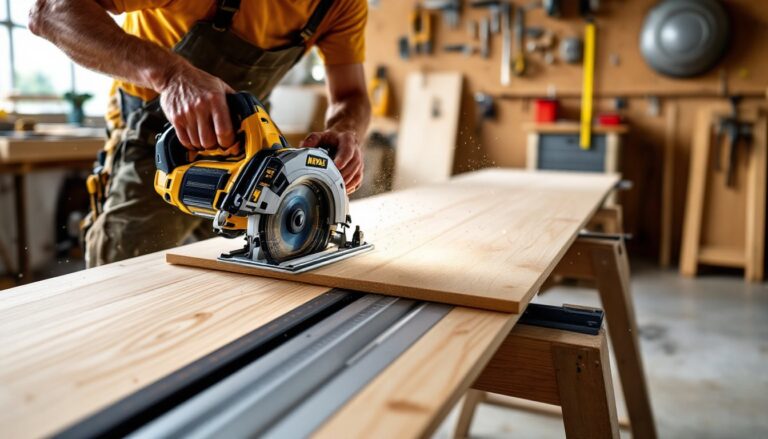
Safety first: Wear work gloves, metal brackets have sharp edges. If building a riser platform, add safety glasses for cutting lumber and a dust mask for sanding.
For platform construction (if adding a second row):
- Frame with 2×8 or 2×10 lumber for 8–12 inch height. Use 16-inch on-center spacing for joists to support weight (each recliner weighs 100–150 lbs, plus occupants).
- Fasten the frame to wall studs using 3-inch structural screws or lag bolts. Floating platforms can shift during recline motion.
- Top with 3/4-inch plywood or OSB, screwed down every 8 inches along joists.
- Finish with carpet or rubber matting to match the room and dampen vibration.
Seat assembly typically involves:
- Attaching backrests to seat bases using included bolts (usually four per connection). Hand-tighten first, then snug with a socket wrench. Don’t overtighten, you’re threading into metal inserts, and stripping them ruins the connection.
- Connecting modular sections with alignment brackets. These bolt through pre-drilled holes on the frame sides. Use a 3/8-inch socket (most common size) and check alignment before fully tightening, seats need to sit flush to avoid gaps.
- Plugging in power recliners and testing operation before pushing into final position. If a motor doesn’t respond, check the inline fuse (usually in the power cord junction box). Some models include spare fuses taped to the frame.
Leveling matters more than it seems. Use a 4-foot level across seat tops. If the floor slopes, add furniture shims under legs. Uneven seats cause recline mechanisms to bind or motors to labor.
For cable management on power seats, route cords behind the row and secure with cable clips to wall baseboards. Loose cords become tripping hazards during movie exits in the dark.
Most Weilianda configurations are two-person jobs during backrest attachment, the components are awkward, not excessively heavy. Solo assembly is possible but slower and risks tipping pieces.
Maintenance and Care for Long-Lasting Performance
Theater seating sees heavy use, popcorn grease, spilled drinks, and constant reclining cycles. Proactive maintenance extends lifespan significantly.
Upholstery care depends on material:
- Bonded/top-grain leather: Vacuum weekly with a soft brush attachment to remove dust (grit acts like sandpaper over time). Wipe spills immediately with a damp microfiber cloth. Apply leather conditioner every 6 months, products like Lexol or Chamberlain’s work well. Avoid silicone-based conditioners: they create buildup.
- Performance fabric: Vacuum weekly. For spills, blot (don’t rub) with a damp cloth and mild detergent. Most Weilianda fabrics tolerate water-based cleaners but check tags for specific restrictions. Avoid bleach or ammonia-based products, they degrade stain coatings.
Recliner mechanisms need attention:
- Manual recliners: Spray silicone lubricant on pivot points and linkage joints annually. Work the recliner through full range after spraying to distribute lubricant. Listen for squeaks or grinding, both signal worn bushings or misaligned linkages.
- Power recliners: Motors are sealed units requiring no maintenance, but keep actuator rods clean. Wipe with a dry cloth monthly to prevent dust buildup. If recline slows or jerks, check for obstructions (remotes or toys wedged underneath).
Tighten bolts every 6–12 months. Reclining motion loosens connections gradually. A socket set and 15 minutes per seat keeps everything solid. Focus on backrest bolts and modular connectors.
Cup holder consoles accumulate sticky residue. Remove cup holders (most lift out) and wash with warm soapy water quarterly. Wipe console interiors with disinfecting wipes. Don’t forget drainage holes at the bottom, clogged drains lead to standing liquid.
For households with pets, nail trimming prevents upholstery snags. Throws or blankets over seats protect material from claws and fur but defeat some of the tactile comfort of premium upholstery, a trade-off based on priorities.
Power cord inspections: Check cords annually for fraying or pinching, especially where they exit the seat frame. Damaged cords are fire hazards. Repairs require electrician-level skills: replacement cords are available from Weilianda or universal aftermarket options (verify voltage and connector compatibility).
Expect 5–10 years from Weilianda seating with regular care. Bonded leather degrades faster (3–5 years). Top-grain leather and quality fabrics easily hit the decade mark. Power mechanisms have more failure points than manual but detailed performance assessments suggest reasonable longevity for the price tier. Budget for eventual reupholstery or replacement as part of long-term theater plans.