
Table of Contents
TogglePhiladelphia’s housing stock presents unique opportunities and challenges for homeowners considering a remodel. With rowhomes dating back to the 1800s and post-war construction scattered throughout neighborhoods like Fishtown, Queen Village, and Mount Airy, renovation work here often means navigating old plumbing, plaster walls, and quirky floor plans. But the payoff, whether it’s adding modern functionality to a Fairmount Victorian or updating a Northeast Philly split-level, can dramatically improve livability and property value. This guide walks through the most common remodeling projects in the city, permit requirements specific to Philadelphia, realistic budgeting strategies, and how to find contractors who understand local building conditions.
Key Takeaways
- Home remodeling Philadelphia homeowners choose kitchen and bathroom upgrades most frequently due to outdated systems, narrow layouts in rowhomes, and the need for modern functionality.
- Permits are required in Philadelphia for structural, electrical, plumbing, and HVAC work, with party wall considerations for shared walls in rowhomes that can extend timelines.
- Budget $25,000–$75,000 for a full kitchen remodel and $10,000–$30,000 for bathroom renovations, plus 15–20% contingency for hidden costs like lead abatement and outdated wiring.
- Always verify that contractors hold valid Philadelphia trade licenses, provide written itemized quotes, and carry proof of liability insurance before hiring for remodeling work.
- Lead paint abatement and asbestos testing are legal requirements in Philadelphia homes built before 1978, adding significant costs but essential for health and safety.
- Financing options like HELOCs, cash-out refinancing, and the city’s Restore Repair Renew loan program make home remodeling more accessible for Philadelphia homeowners navigating a competitive market.
Why Philadelphia Homeowners Are Investing in Remodeling Projects
Philadelphia’s real estate market has remained competitive, with home values rising steadily over the past decade in both established and emerging neighborhoods. Many homeowners find it more cost-effective to renovate their current property than to buy in a hot market, especially when factoring in closing costs and higher interest rates.
Older housing stock drives much of the renovation activity. Philadelphia has one of the highest concentrations of pre-1940s homes in the country. That means dealing with outdated electrical systems that may not support modern appliances, galvanized steel plumbing prone to corrosion, and single-pane windows that bleed heat in winter. Upgrading these systems isn’t just cosmetic, it’s often essential for safety and energy efficiency.
Another motivator is the city’s evolving neighborhood character. Areas like Point Breeze, East Kensington, and Grays Ferry have seen renewed investment, prompting homeowners to modernize interiors to match rising property values. Renovations also allow residents to age in place, adding first-floor bathrooms or accessible showers without relocating.
Popular Home Remodeling Projects in Philadelphia
Kitchen Renovations
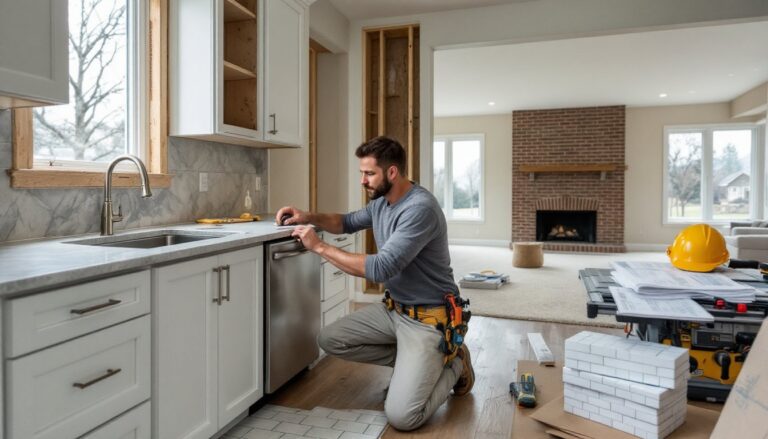
Kitchen remodels top the list for Philadelphia homeowners, especially in rowhomes where original layouts feature narrow galley kitchens with limited counter space. Common upgrades include removing non-load-bearing walls to open the kitchen to the dining room, installing quartz or butcher-block countertops, and replacing old gas ranges with modern induction or dual-fuel units.
Cabinetry choices often hinge on ceiling height. Many Philadelphia homes have 8-foot ceilings on upper floors and 9- to 10-foot ceilings on the first floor. Full-height cabinets (42 inches) maximize storage in taller spaces, while 30- to 36-inch uppers work better in lower-ceilinged kitchens. Homeowners working with remodeling cost estimators typically budget $25,000 to $50,000 for a mid-range kitchen remodel in the city, though gut renovations in older homes can push past $75,000 when re-routing plumbing and upgrading electrical to handle 50-amp circuits for ranges.
Flooring is another consideration. Original hardwood floors can often be sanded and refinished, but many rowhomes have concrete subfloors in the kitchen. Luxury vinyl plank (LVP) or porcelain tile rated for high-traffic areas work well here, offering moisture resistance and durability.
Bathroom Updates
Bathroom renovations in Philadelphia frequently involve reconfiguring tight spaces. Many older rowhomes feature a single full bath on the second floor, with dimensions as small as 5×7 feet. Homeowners often convert a bedroom closet into a second bathroom or add a powder room on the first floor by carving out space under the stairs.
Standard upgrades include replacing cast-iron tubs with alcove or corner shower units (60×32 inches is the most common footprint), installing low-flow toilets to meet WaterSense standards, and upgrading to PEX plumbing if the home still has galvanized pipe. Ventilation is critical, Philadelphia’s humidity can cause mold in poorly ventilated bathrooms. Install a bathroom exhaust fan rated for at least 50 CFM in a standard 8×10 bath, vented to the exterior (not into the attic).
Tile work often becomes a major expense. Subway tile remains popular for its classic look and ease of maintenance, running $8 to $15 per square foot installed. Waterproofing behind tile is non-negotiable: use a sheet membrane like Schluter Kerdi or RedGard liquid membrane over cement board. Many of Philadelphia’s top-rated bathroom remodelers recommend floating the subfloor with self-leveling compound before tile installation, as old homes frequently have unlevel floors.
Understanding Philadelphia’s Permit and Zoning Requirements
Philadelphia requires permits for most structural, electrical, plumbing, and mechanical work. The Department of Licenses and Inspections (L&I) oversees permitting, and requirements can be stricter than in suburban counties.
When you need a permit:
- Any work involving framing, load-bearing walls, or structural alterations
- Electrical work beyond replacing a fixture (new circuits, panel upgrades, rewiring)
- Plumbing modifications, including moving fixtures or re-routing drain lines
- HVAC installation or ductwork changes
- Adding square footage or finishing a basement (requires zoning review if adding a dwelling unit)
When you typically don’t need a permit:
- Painting, flooring, or cosmetic trim work
- Replacing kitchen cabinets without moving plumbing
- Swapping a light fixture on an existing circuit
- Minor repairs that don’t alter structure or systems
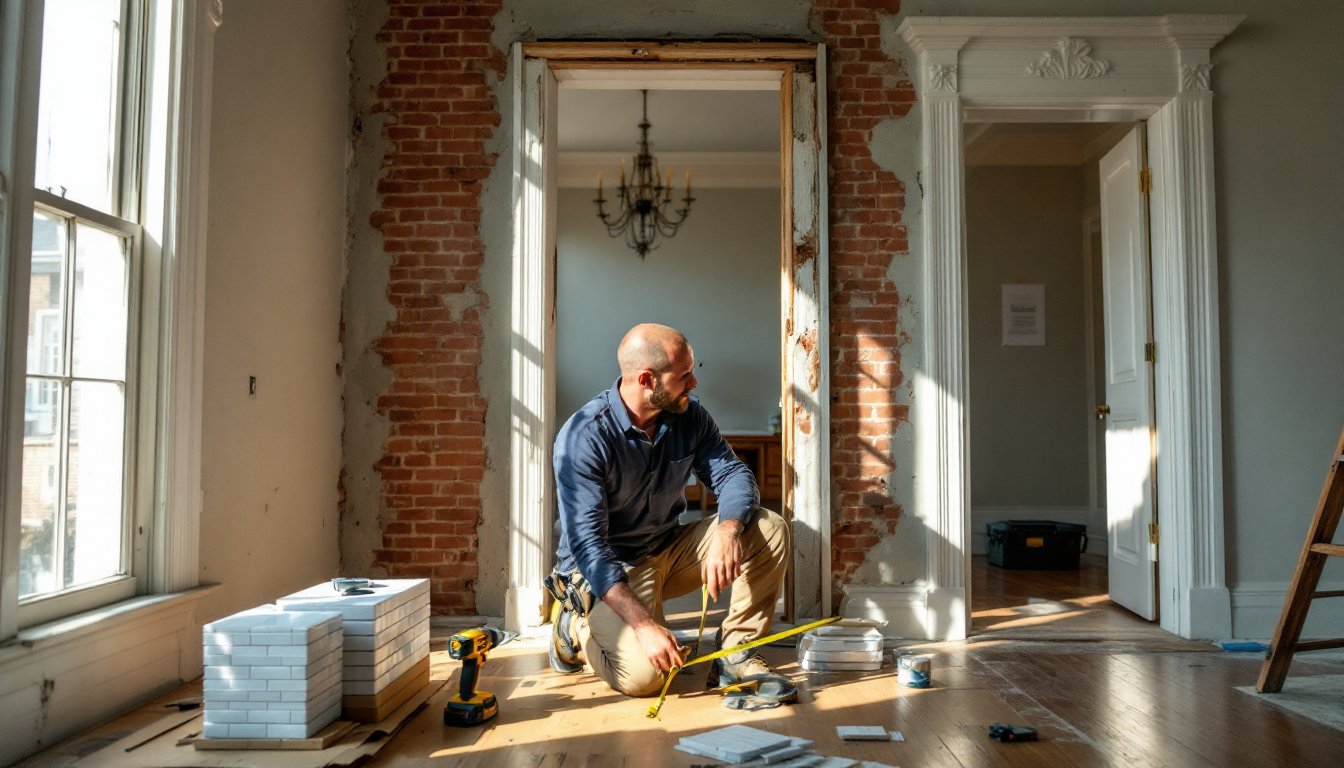
Rowhome renovations often involve shared or party walls, which have additional requirements under the Party Wall Act. If your project affects a shared wall, such as opening it up or reinforcing it, you must notify adjacent property owners and may need a licensed structural engineer’s assessment.
Zoning matters when changing use. Converting a single-family rowhome into a duplex or adding an accessory dwelling unit (ADU) triggers zoning review. Many residential blocks in Philadelphia are zoned RSA-5 or RTA-1, which restrict multi-family conversions without a variance.
Permit timelines vary. Straightforward permits for electrical or plumbing can be issued over the counter if plans are clear. Structural permits requiring plan review may take two to four weeks. Budget time accordingly, starting work without permits risks stop-work orders and fines.
Budgeting for Your Philadelphia Home Remodel
Philadelphia remodeling costs fall between national averages and higher-cost metro areas like New York or Boston. Labor rates for licensed tradespeople typically run $75 to $125 per hour for electricians and plumbers, $50 to $80 per hour for carpenters, and $60 to $100 per hour for HVAC technicians. These rates reflect city wage taxes and the skilled labor required to work with older construction.
Common project cost ranges (labor + materials):
- Full kitchen remodel: $25,000–$75,000
- Bathroom remodel: $10,000–$30,000
- Basement finishing: $15,000–$40,000 (excluding egress window or exterior access work)
- Window replacement (per window, including trim): $500–$1,200
- Flooring (hardwood refinishing): $3–$5 per sq. ft.: LVP installation: $6–$10 per sq. ft.
Hidden costs often arise in older homes. Lead paint abatement is required by law if the home was built before 1978 and you’re disturbing painted surfaces. Certified lead-safe contractors charge a premium, but it’s non-negotiable for properties with children under six. Asbestos testing may be necessary if removing old floor tile, pipe insulation, or plaster.
Contingency funds matter. Set aside 15–20% of your total budget for unforeseen issues. Common surprises include rotted floor joists, outdated knob-and-tube wiring that needs full replacement, or chimney repairs discovered during a kitchen renovation. Using project planning tools to estimate costs upfront can help, but always pad the budget for Philadelphia’s aging infrastructure.
Financing options include home equity lines of credit (HELOCs), cash-out refinancing, or the city’s Restore Repair Renew loan program, which offers low-interest loans for homeowners making repairs or improvements.
Finding the Right Contractor in the Philadelphia Area
Choosing a contractor in Philadelphia requires verifying credentials and understanding local reputation. Start by confirming that any contractor performing electrical, plumbing, or HVAC work holds the appropriate Philadelphia trade license. The city requires individual licenses, general contractors must employ or subcontract licensed tradespeople for specialty work.
Red flags to avoid:
- Contractors who suggest skipping permits to save money
- Quotes that seem drastically lower than competitors (often a sign of unlicensed work or corner-cutting)
- No physical business address or established local presence
- Pressure to pay large deposits upfront (20–30% is standard: 50% or more is a warning sign)
Questions to ask before hiring:
- Are you licensed and insured in Philadelphia? (Ask for proof of general liability and workers’ comp insurance.)
- Can you provide references from recent projects in my neighborhood?
- Who will be on-site daily, and who’s my point of contact?
- What’s your timeline, and how do you handle delays or change orders?
- Do you pull permits, or is that my responsibility?
Get at least three written quotes. Each should itemize labor, materials, permits, and a payment schedule. Avoid contractors who provide vague lump-sum bids without detail, it makes it hard to assess value or track overruns.
Local reputation matters. Philadelphia’s neighborhoods are tight-knit, and word-of-mouth referrals carry weight. Ask neighbors who’ve done similar work, check community Facebook groups, or consult online review platforms. Many experienced Philly contractors specialize in rowhome renovations and understand the quirks of working with 100-year-old masonry and tight lot lines.
Finally, get everything in writing. A solid contract should include scope of work, materials specifications (brand, grade, finish), start and completion dates, payment terms, lien waivers, and cleanup responsibilities. Both parties should sign before work begins. If a contractor resists a written agreement, walk away.